
The Evolution of Parking
From hitching posts to AI-powered sensors: a century of innovation in how we park. Discover the remarkable journey from a time when cars were legally required to be tied up like horses, to the intelligent systems reshaping urban mobility today.
The Invention
From horses to the first parking meters
When Cars Were Tied Up Like Horses
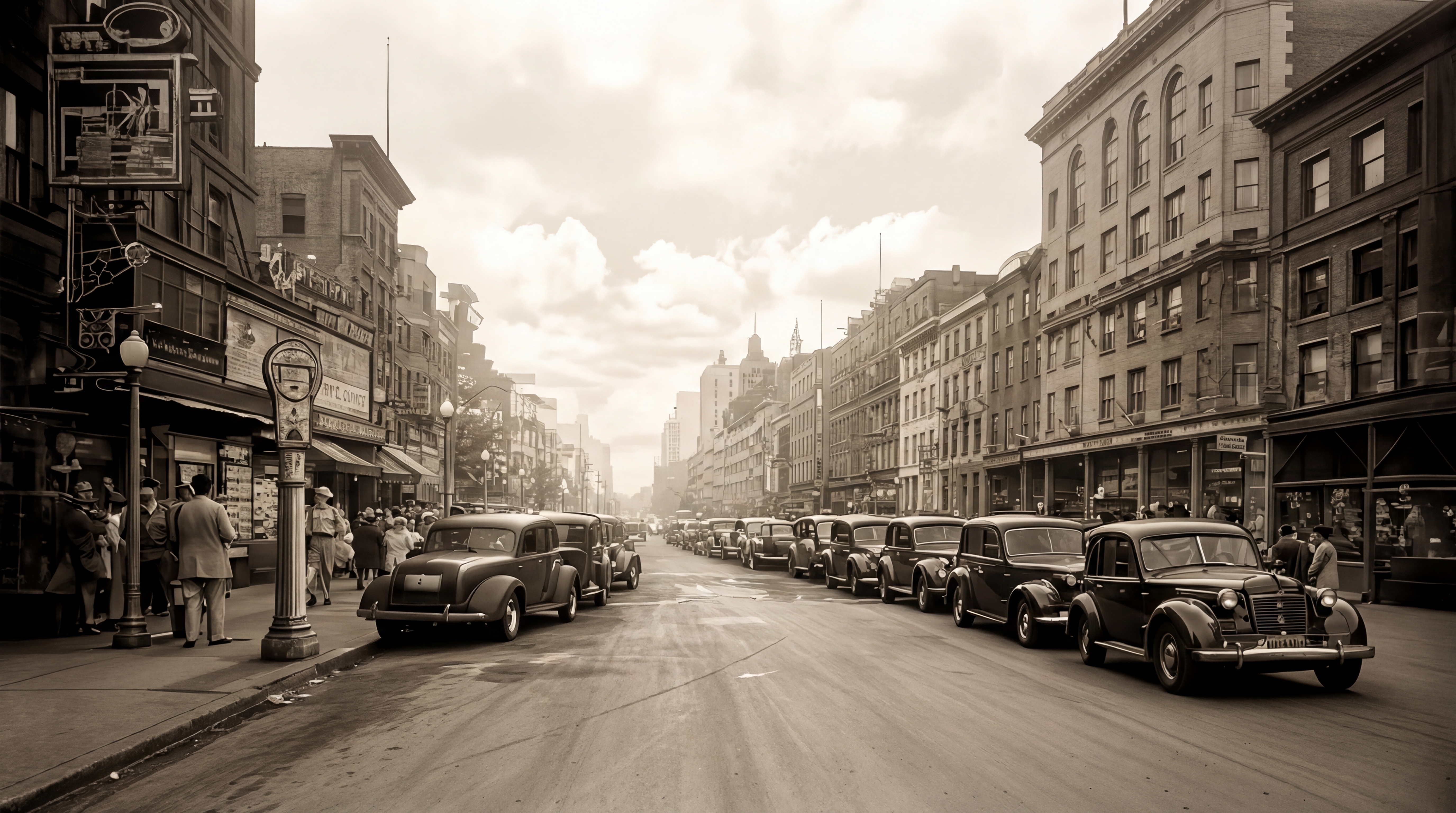
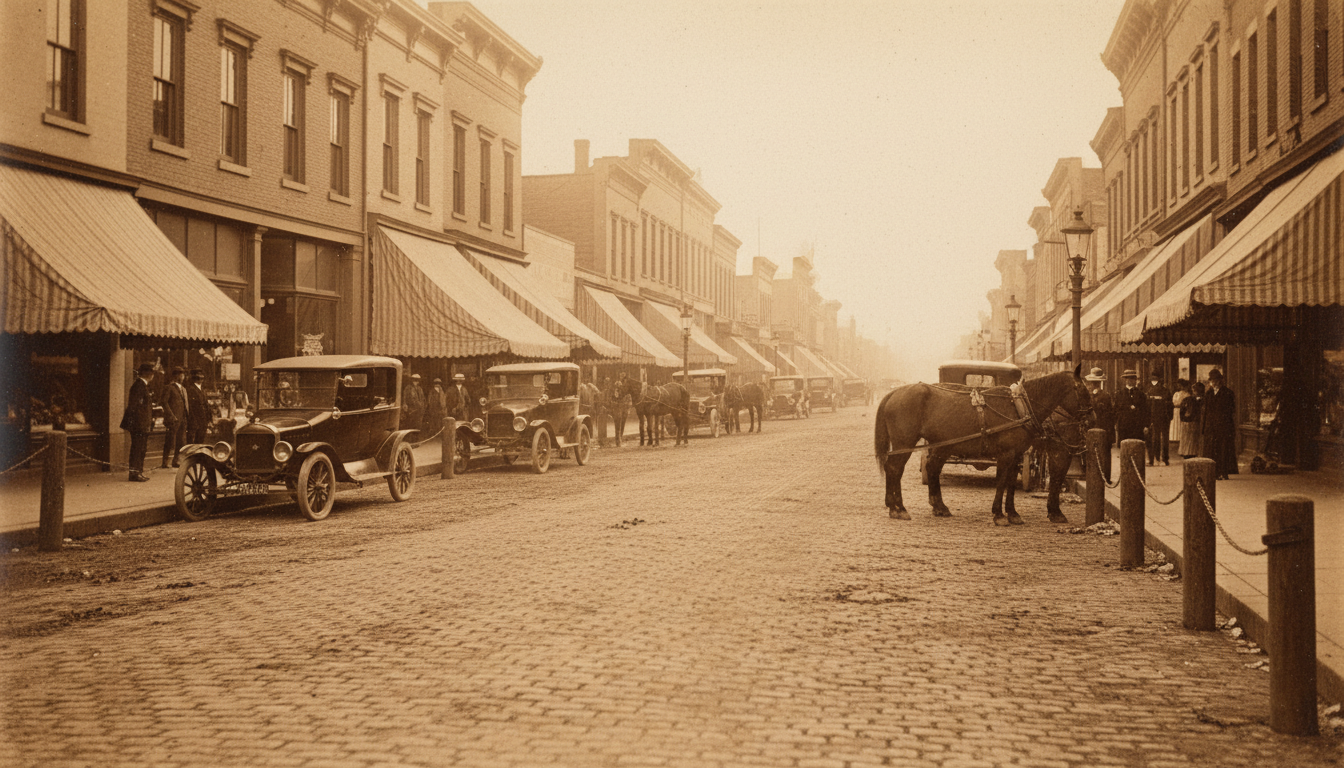
In the early days of the automobile, cities struggled to adapt horse-era regulations to the new machines. A Vacaville ordinance famously forbade parking for more than two hours unless a horse was tied to the car. In Woodstock, Vermont, the Village Trustees prohibited parking motor vehicles anywhere horses could be hitched in the business district. Hitching posts lined downtown streets, and the transition from horse to horsepower created a regulatory wild west.
When Cars Were Tied Up Like Horses
In the early days of the automobile, cities struggled to adapt horse-era regulations to the new machines. A Vacaville ordinance famously forbade parking for more than two hours unless a horse was tied to the car. In Woodstock, Vermont, the Village Trustees prohibited parking motor vehicles anywhere horses could be hitched in the business district. Hitching posts lined downtown streets, and the transition from horse to horsepower created a regulatory wild west.
The First Patent Attempt
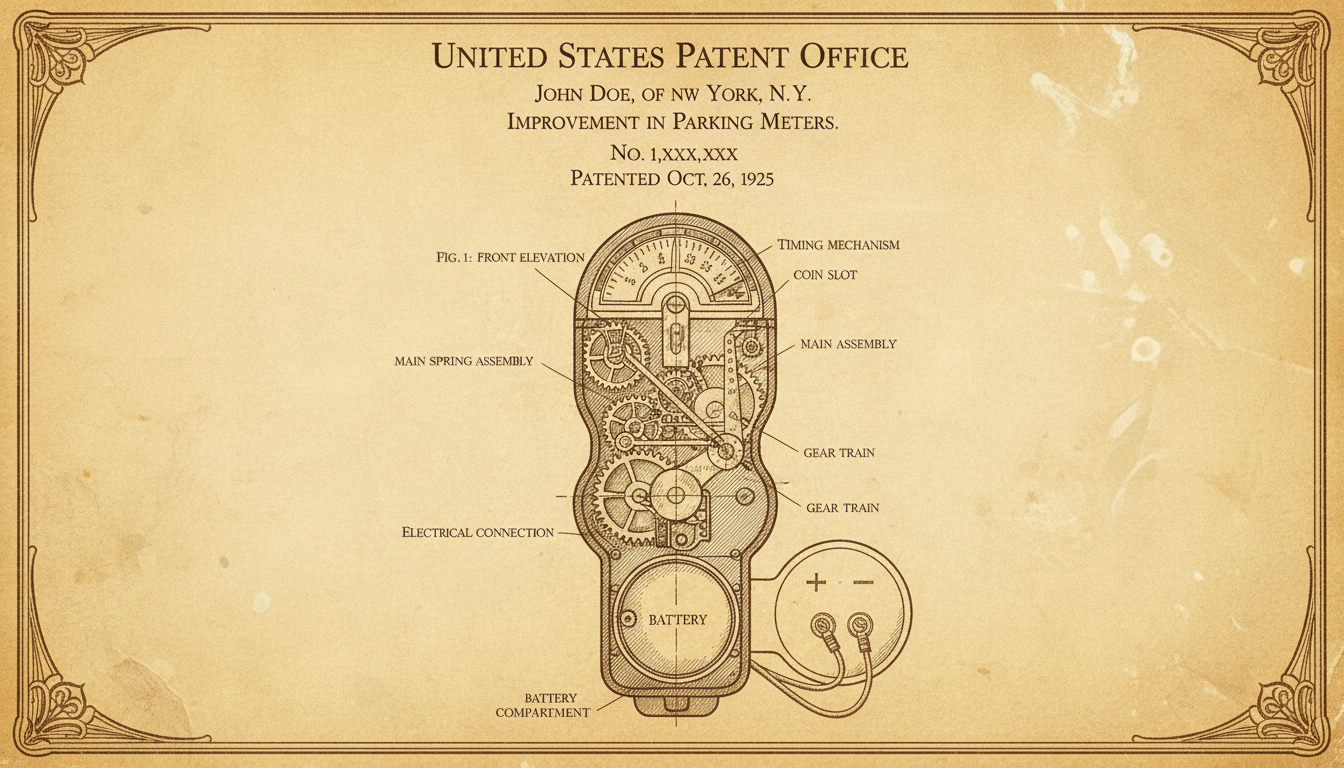
Roger W. Babson filed the first patent for a parking meter on August 30, 1928. His innovative but impractical design required power from the parked vehicle's battery, necessitating a physical connection between the car and the meter. While the concept never became reality, it planted the seed for what was to come.
The First Patent Attempt
Roger W. Babson filed the first patent for a parking meter on August 30, 1928. His innovative but impractical design required power from the parked vehicle's battery, necessitating a physical connection between the car and the meter. While the concept never became reality, it planted the seed for what was to come.
Carl Magee's Vision
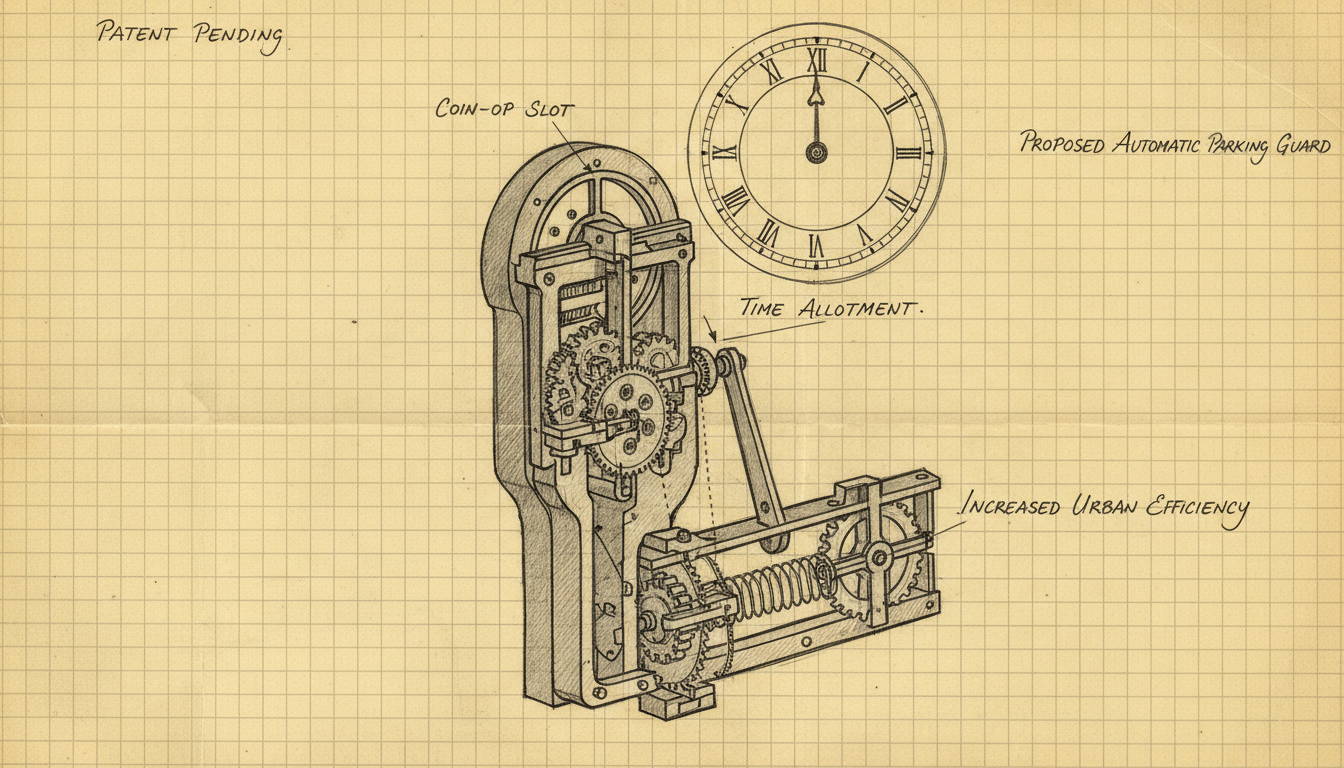
Carl C. Magee, a newspaper editor and member of the Oklahoma City Chamber of Commerce traffic committee, conceived the parking meter to solve a growing crisis: downtown workers occupied all parking spaces, forcing retail customers to park far from shops. On December 21, 1932, Magee filed his first patent application. He then partnered with Oklahoma State University's Engineering Department, sponsoring a design competition that ran from February through May 1933.
Carl Magee's Vision
Carl C. Magee, a newspaper editor and member of the Oklahoma City Chamber of Commerce traffic committee, conceived the parking meter to solve a growing crisis: downtown workers occupied all parking spaces, forcing retail customers to park far from shops. On December 21, 1932, Magee filed his first patent application. He then partnered with Oklahoma State University's Engineering Department, sponsoring a design competition that ran from February through May 1933.
The Black Maria
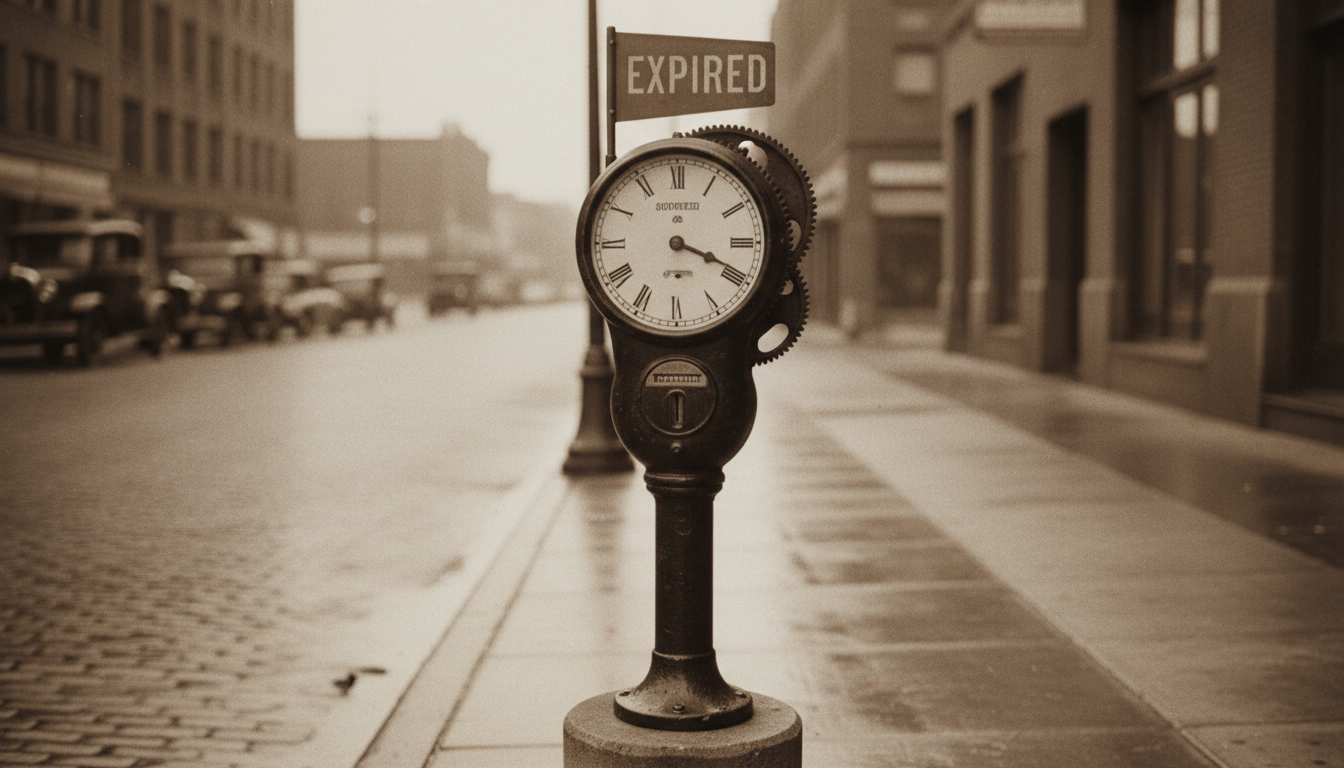
Professor Holger George Thuesen and his former student Gerald A. Hale at Oklahoma Agricultural and Mechanical College (now Oklahoma State University) created the first working parking meter prototype, nicknamed the 'Black Maria.' This coin-operated mechanical device used a clock-type mainspring mechanism and featured a visible flag that dropped when time expired. The MacNick Company of Tulsa was contracted to manufacture the units.
The Black Maria
Professor Holger George Thuesen and his former student Gerald A. Hale at Oklahoma Agricultural and Mechanical College (now Oklahoma State University) created the first working parking meter prototype, nicknamed the 'Black Maria.' This coin-operated mechanical device used a clock-type mainspring mechanism and featured a visible flag that dropped when time expired. The MacNick Company of Tulsa was contracted to manufacture the units.
The Birth of the Parking Meter
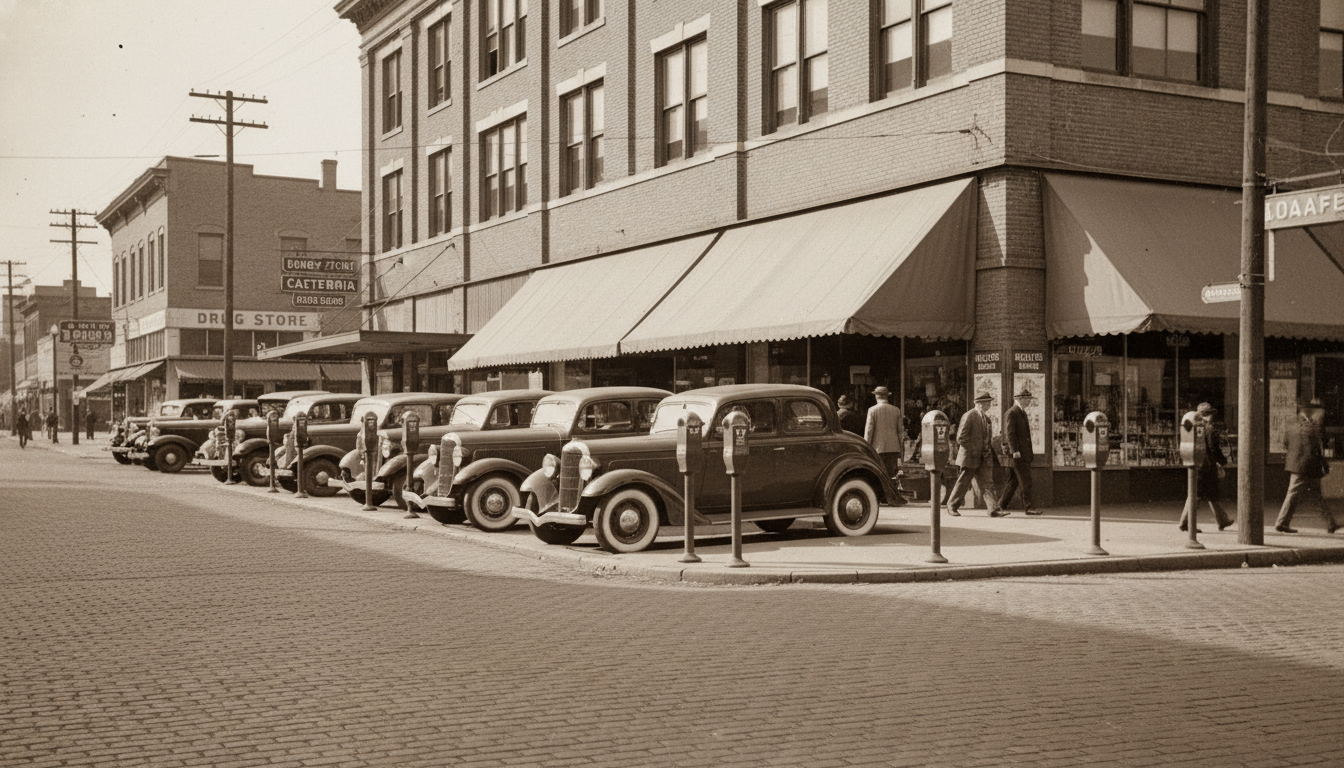
On July 16, 1935, Park-O-Meter No. 1 was installed at the corner of First Street and Robinson Avenue in Oklahoma City - the world's first operational parking meter. A total of 175 meters were installed across 14 blocks at 20-foot intervals, charging a nickel per hour. The first parking ticket was issued in August 1935 to Reverend C. H. North. Indignant opponents called the meters 'un-American,' arguing drivers were being taxed without due process.
The Birth of the Parking Meter
On July 16, 1935, Park-O-Meter No. 1 was installed at the corner of First Street and Robinson Avenue in Oklahoma City - the world's first operational parking meter. A total of 175 meters were installed across 14 blocks at 20-foot intervals, charging a nickel per hour. The first parking ticket was issued in August 1935 to Reverend C. H. North. Indignant opponents called the meters 'un-American,' arguing drivers were being taxed without due process.
View Original PatentLegal Battles and Resistance
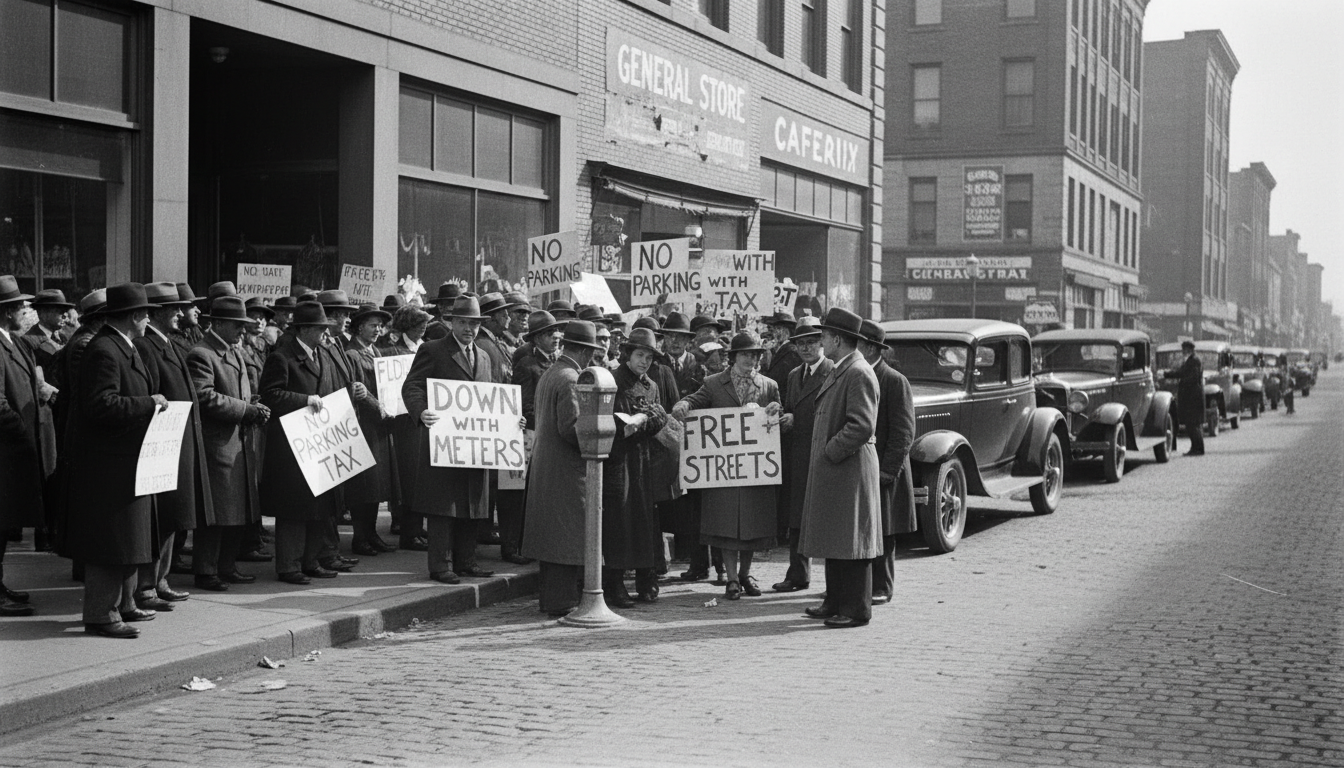
The parking meter faced fierce opposition. The Alabama Supreme Court ruled parking meters illegal, declaring them an 'unauthorized exercise of the taxing power.' Mobile removed its meters in 1937. The American Automobile Association lobbied against the devices, and motorists protested: 'I pay enough taxes now and I'll be damned if I'll pay to park my car on a public street.' Senator Elmer Thomas spent three years trying to get Congressional approval for a Washington D.C. test.
Legal Battles and Resistance
The parking meter faced fierce opposition. The Alabama Supreme Court ruled parking meters illegal, declaring them an 'unauthorized exercise of the taxing power.' Mobile removed its meters in 1937. The American Automobile Association lobbied against the devices, and motorists protested: 'I pay enough taxes now and I'll be damned if I'll pay to park my car on a public street.' Senator Elmer Thomas spent three years trying to get Congressional approval for a Washington D.C. test.
Patent Granted, Meters Spread
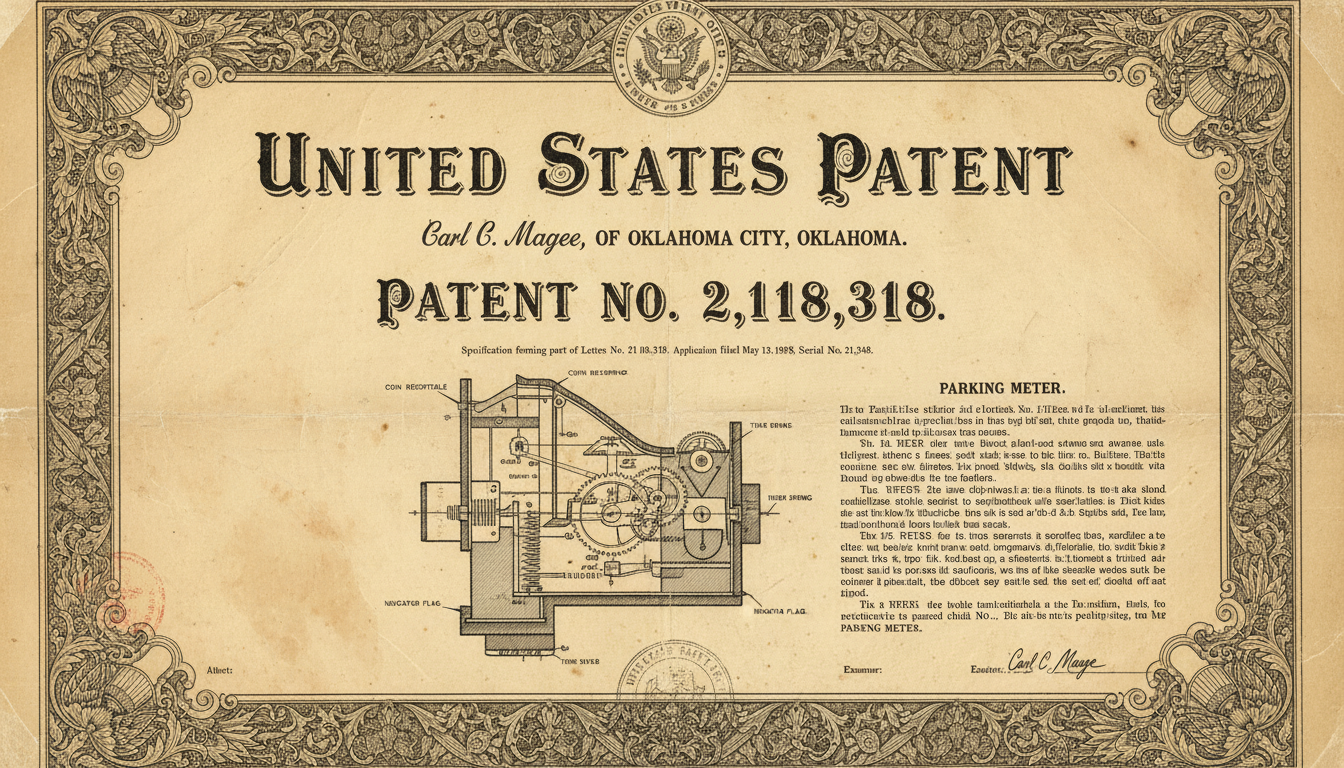
On May 24, 1938, Carl Magee received U.S. Patent No. 2,118,318 for his parking meter apparatus. That November, Washington D.C. finally installed experimental meters after years of legislative battles. Robert W. Waldron became the first person prosecuted for failing to feed a meter in the nation's capital. Despite early resistance, the convenience for retailers - who favored customer turnover - drove adoption.
Patent Granted, Meters Spread
On May 24, 1938, Carl Magee received U.S. Patent No. 2,118,318 for his parking meter apparatus. That November, Washington D.C. finally installed experimental meters after years of legislative battles. Robert W. Waldron became the first person prosecuted for failing to feed a meter in the nation's capital. Despite early resistance, the convenience for retailers - who favored customer turnover - drove adoption.
Mass Adoption
Parking meters become urban infrastructure
The Meter Boom
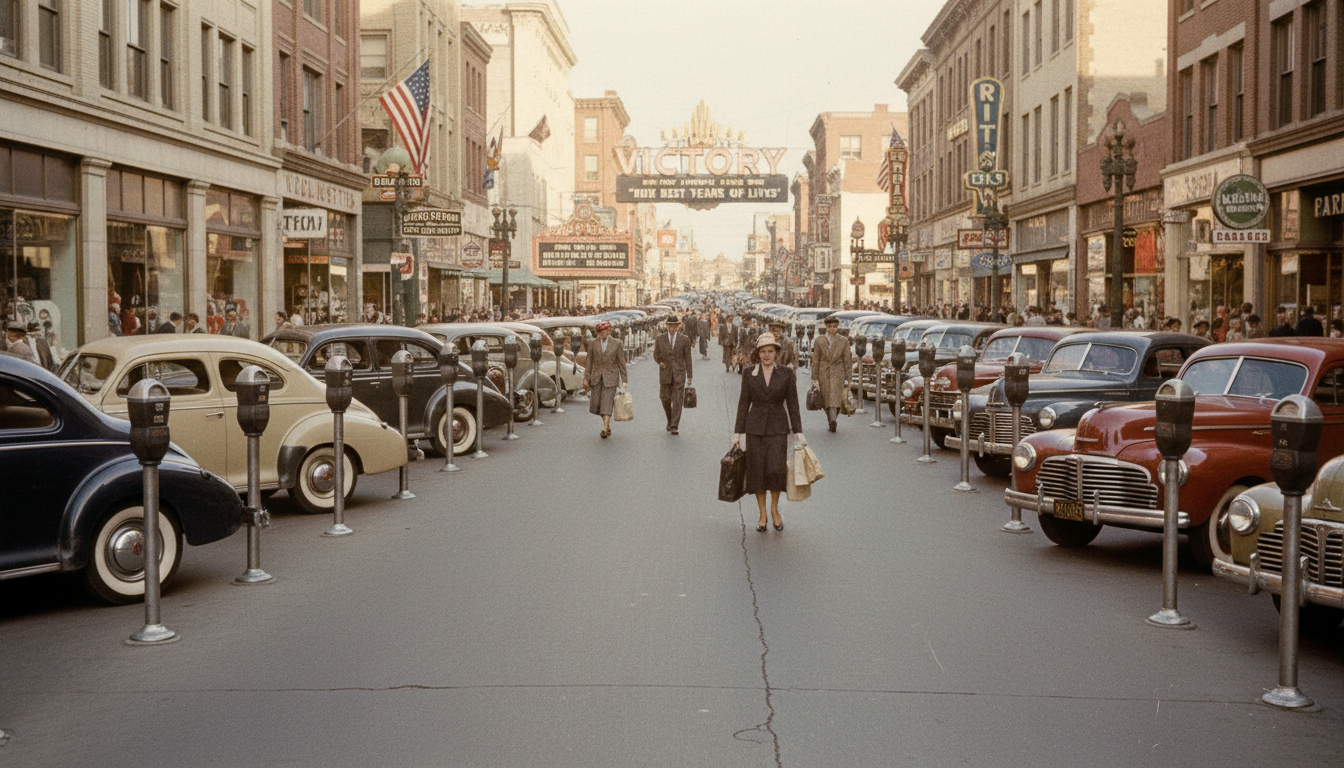
By the early 1940s, over 140,000 parking meters were in use across the United States. Multiple manufacturers entered the market: Magee-Hale Park-O-Meter Company, Dual Parking Meter Co., Mark-Time, and Duncan Miller. The Alabama Supreme Court reversed its earlier decision in 1948, finally allowing meters statewide. After World War II, as car ownership surged, parking meters became an essential part of urban infrastructure.
The Meter Boom
By the early 1940s, over 140,000 parking meters were in use across the United States. Multiple manufacturers entered the market: Magee-Hale Park-O-Meter Company, Dual Parking Meter Co., Mark-Time, and Duncan Miller. The Alabama Supreme Court reversed its earlier decision in 1948, finally allowing meters statewide. After World War II, as car ownership surged, parking meters became an essential part of urban infrastructure.
New York Gets Meters
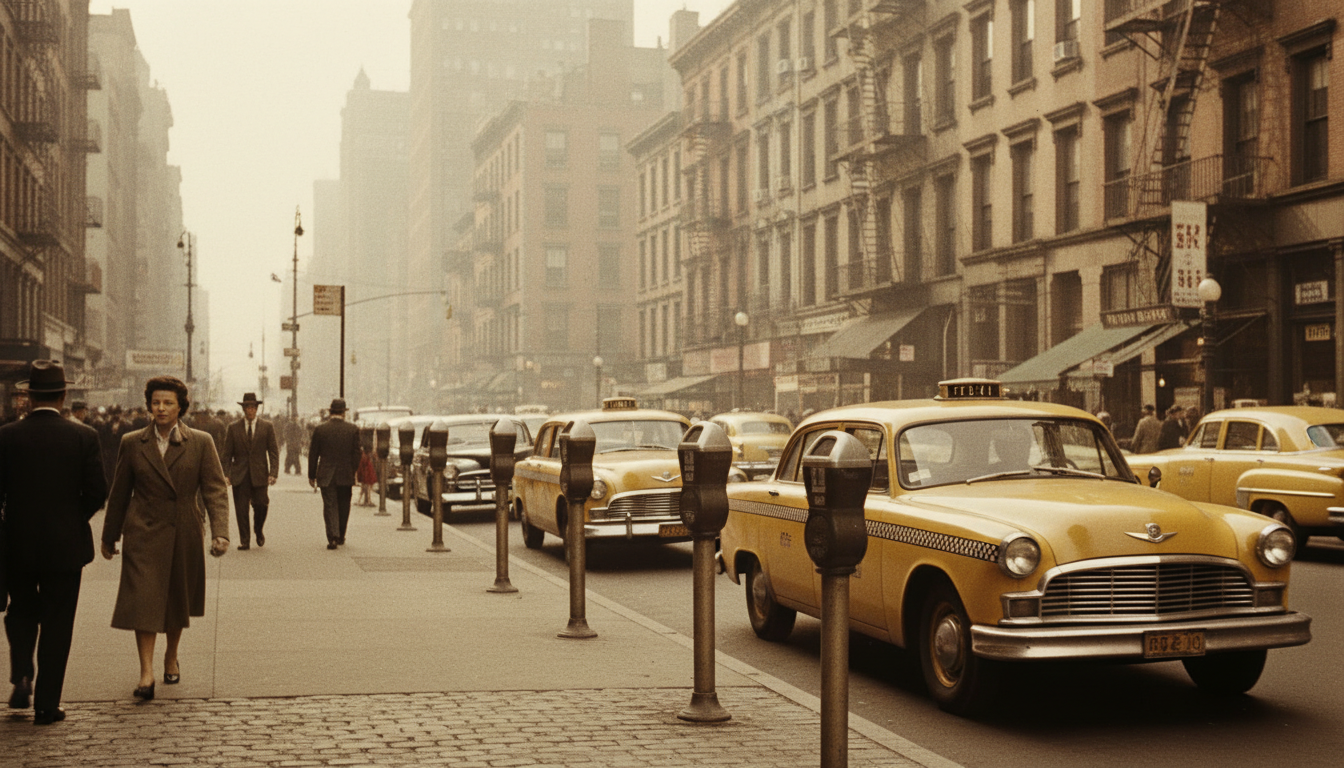
New York City installed its first parking meters in 1951, with motorists paying ten cents per hour - double the original Oklahoma City rate. The country's largest city adopting meters marked a turning point in acceptance. The Duncan Miller Model 50, a gold-colored meter accepting 1, 5, or 10 cents for sixty minutes, became iconic on American streets during this era.
New York Gets Meters
New York City installed its first parking meters in 1951, with motorists paying ten cents per hour - double the original Oklahoma City rate. The country's largest city adopting meters marked a turning point in acceptance. The Duncan Miller Model 50, a gold-colored meter accepting 1, 5, or 10 cents for sixty minutes, became iconic on American streets during this era.
Rise of the Meter Maid
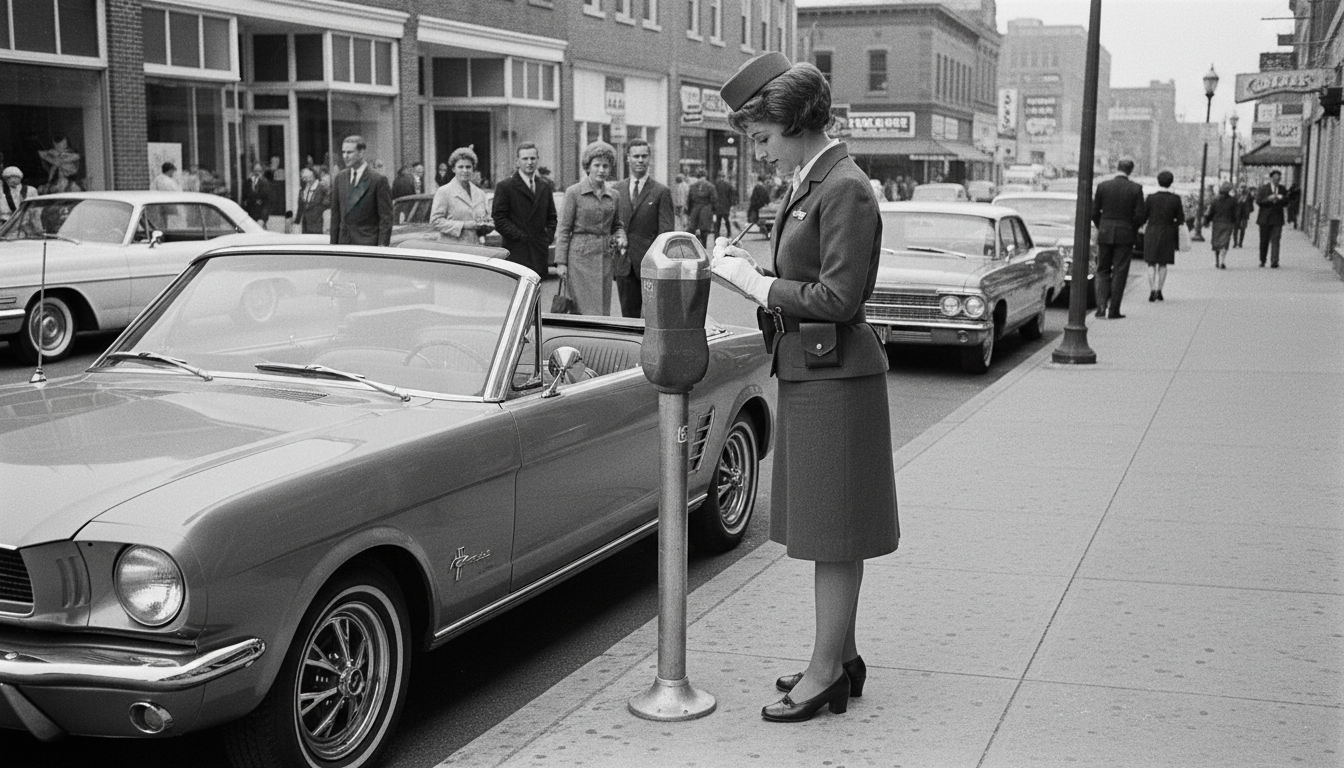
New York City hired its first crew of 'meter maids' - 100 women who became specialized parking enforcement officers. In their first six months, they issued over 200,000 tickets at $5 each. The Beatles would later immortalize these enforcers in their 1967 song 'Lovely Rita.' The first male meter attendant wasn't hired until 1967. Meanwhile, the dual-head parking meter was introduced, serving two spaces from a single post to reduce costs.
Rise of the Meter Maid
New York City hired its first crew of 'meter maids' - 100 women who became specialized parking enforcement officers. In their first six months, they issued over 200,000 tickets at $5 each. The Beatles would later immortalize these enforcers in their 1967 song 'Lovely Rita.' The first male meter attendant wasn't hired until 1967. Meanwhile, the dual-head parking meter was introduced, serving two spaces from a single post to reduce costs.
Security and Innovation
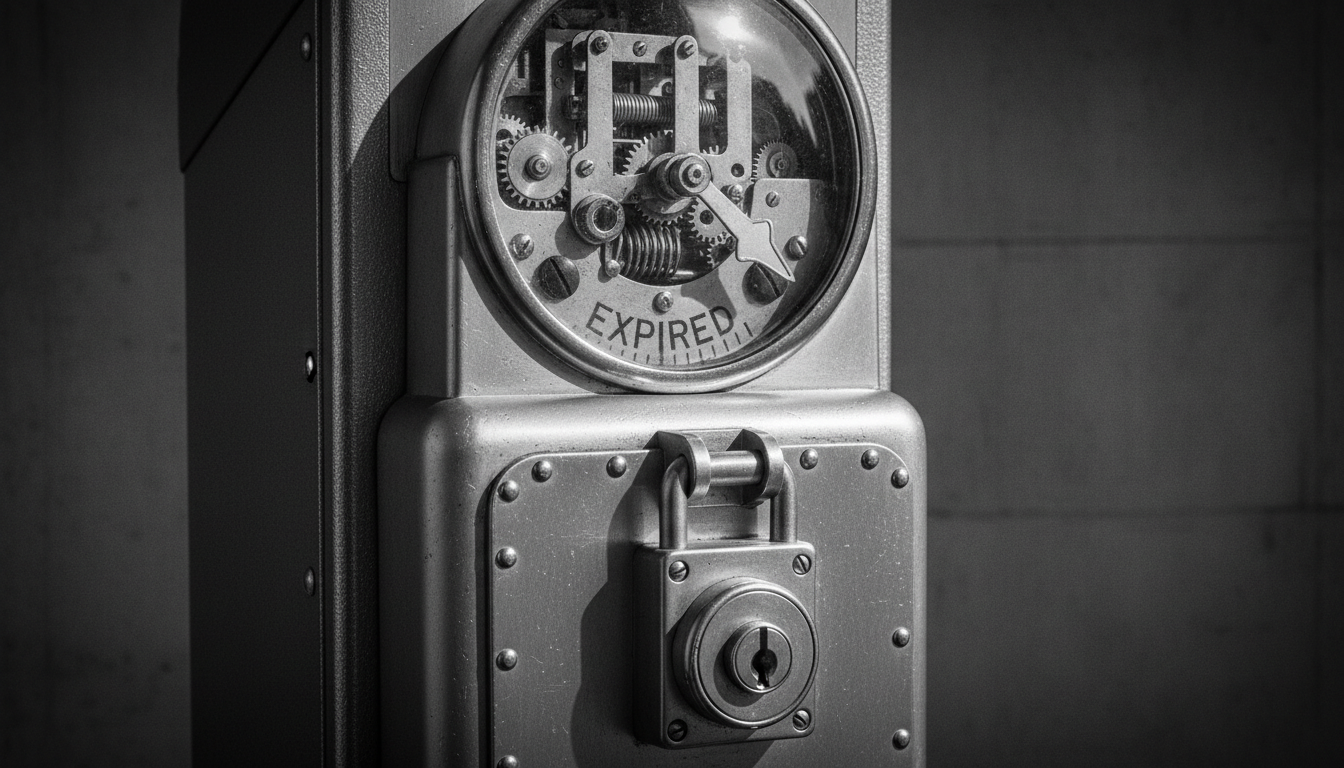
By the mid-1960s, parking meter break-ins had become such a problem that manufacturers introduced armored coin boxes with improved locks. The basic mechanical design - a coin slot, clock mechanism, and expiration flag - had remained largely unchanged for 30 years, but security enhancements became essential. Cities depended on meter revenue, making protection of the coin vaults a priority.
Security and Innovation
By the mid-1960s, parking meter break-ins had become such a problem that manufacturers introduced armored coin boxes with improved locks. The basic mechanical design - a coin slot, clock mechanism, and expiration flag - had remained largely unchanged for 30 years, but security enhancements became essential. Cities depended on meter revenue, making protection of the coin vaults a priority.
Digital Revolution
Electronics replace mechanical gears
The Digital Revolution
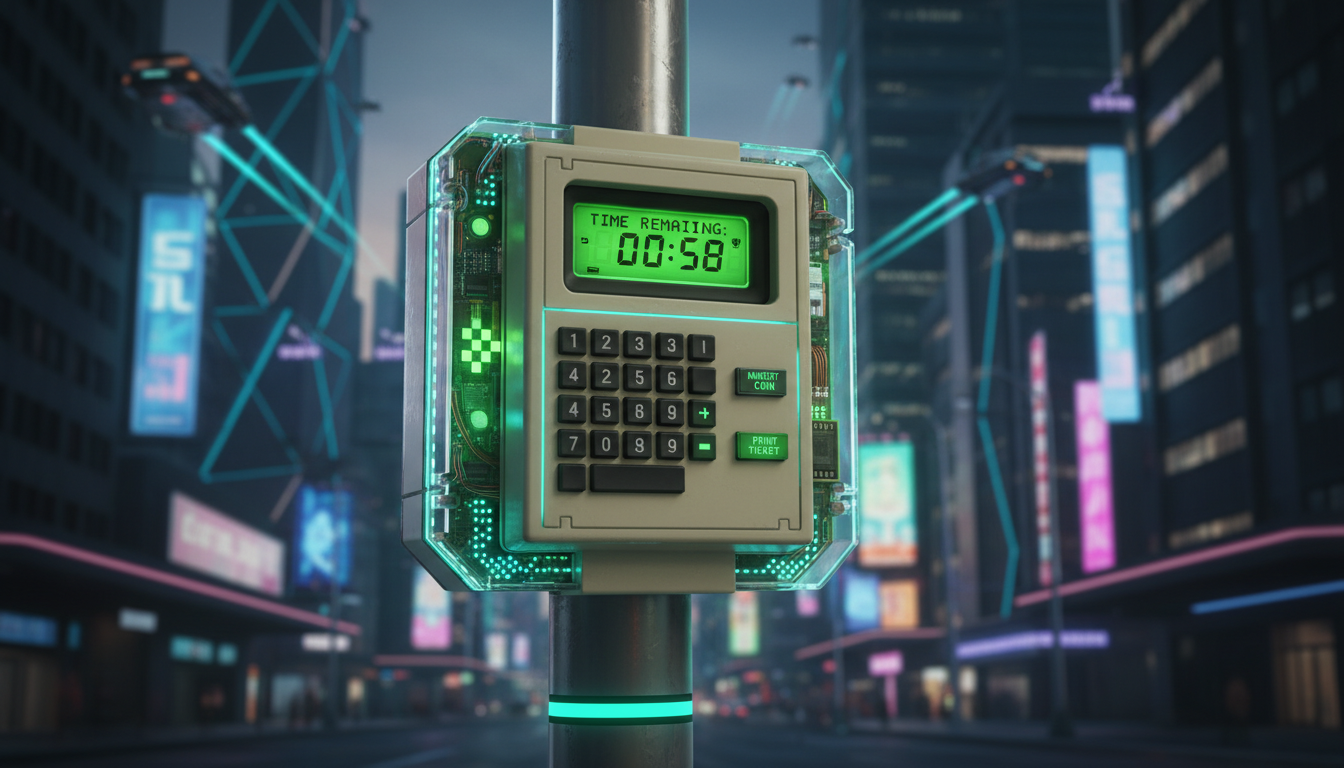
After 40 years of mechanical dominance, the mid-1980s brought the first digital parking meters. Electronic components replaced gears and springs, with circuit boards, keypads, and LCD displays offering greater flexibility. EEPROM chips enabled programmable rates and time limits. This transition allowed meters to accept multiple coin denominations more accurately and laid the groundwork for future payment innovations.
The Digital Revolution
After 40 years of mechanical dominance, the mid-1980s brought the first digital parking meters. Electronic components replaced gears and springs, with circuit boards, keypads, and LCD displays offering greater flexibility. EEPROM chips enabled programmable rates and time limits. This transition allowed meters to accept multiple coin denominations more accurately and laid the groundwork for future payment innovations.
Pay and Display Era
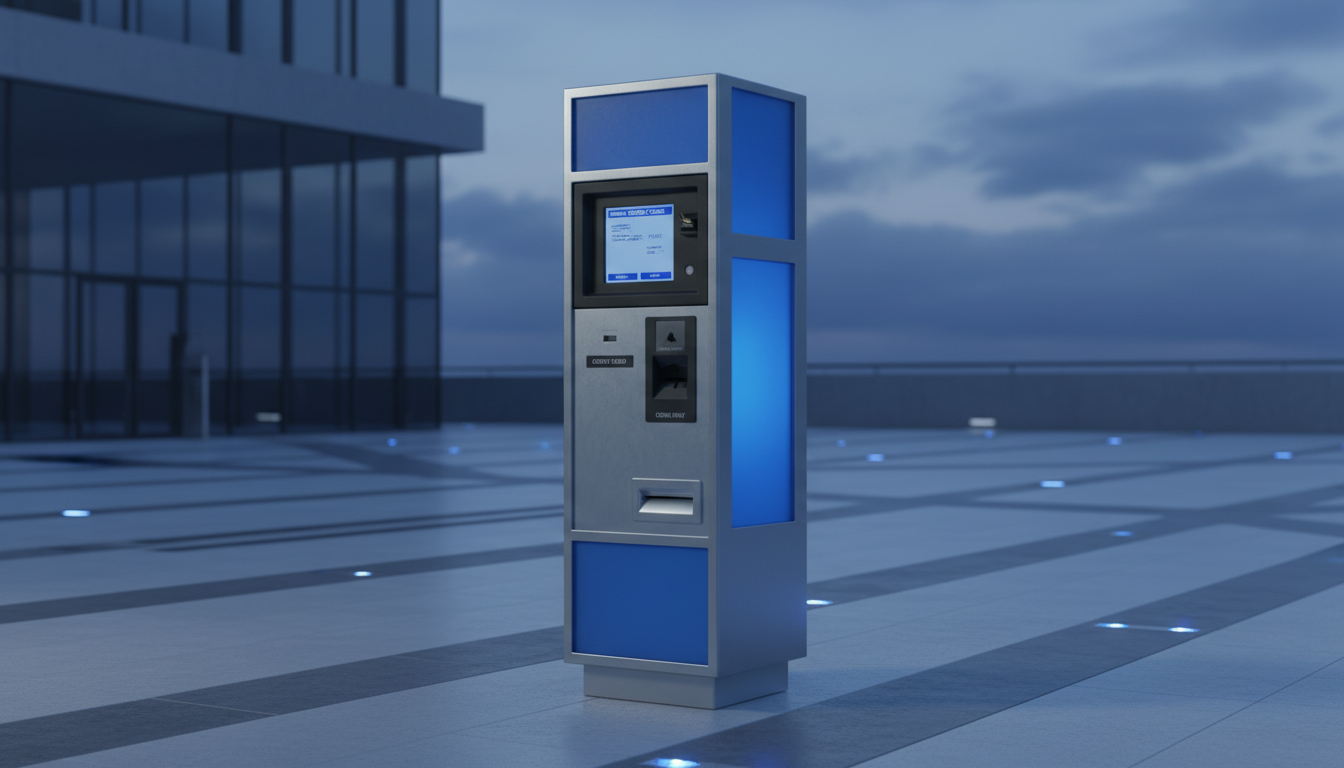
The 1990s saw the emergence of collective 'pay and display' machines that could serve multiple parking spaces from a single kiosk. Credit and debit card acceptance began appearing, eliminating the need to carry coins. Electronic money and new communication technologies opened possibilities that seemed like science fiction just a decade earlier. Cities began exploring variable pricing based on demand.
Pay and Display Era
The 1990s saw the emergence of collective 'pay and display' machines that could serve multiple parking spaces from a single kiosk. Credit and debit card acceptance began appearing, eliminating the need to carry coins. Electronic money and new communication technologies opened possibilities that seemed like science fiction just a decade earlier. Cities began exploring variable pricing based on demand.
Connected Era
Smart sensors and mobile payments
The Robotic Garage
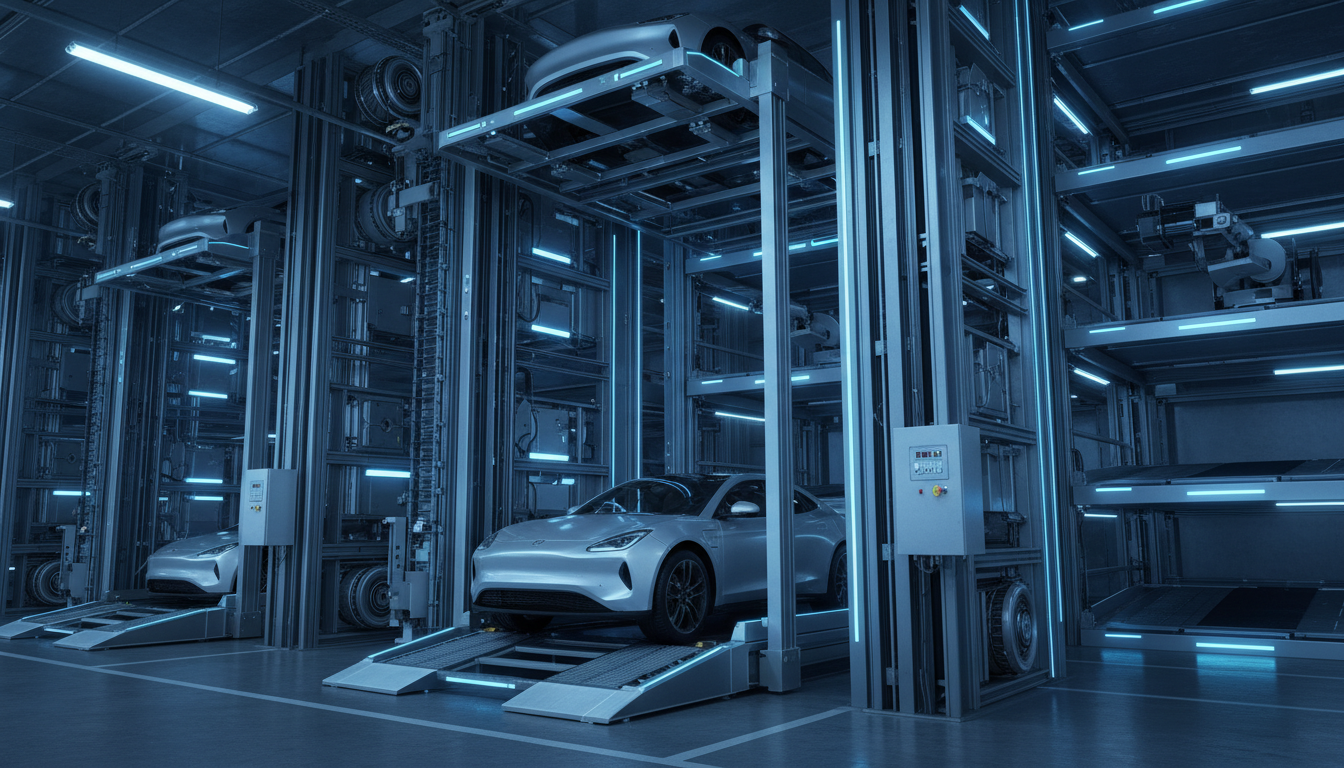
The first fully robotic parking garage was built in 2002, representing a radical departure from traditional parking. Automated systems could stack and retrieve vehicles without human drivers, maximizing space efficiency in dense urban areas. Meanwhile, GPS technology began appearing in parking research, hinting at the connected future to come.
The Robotic Garage
The first fully robotic parking garage was built in 2002, representing a radical departure from traditional parking. Automated systems could stack and retrieve vehicles without human drivers, maximizing space efficiency in dense urban areas. Meanwhile, GPS technology began appearing in parking research, hinting at the connected future to come.
Smart Parking Arrives
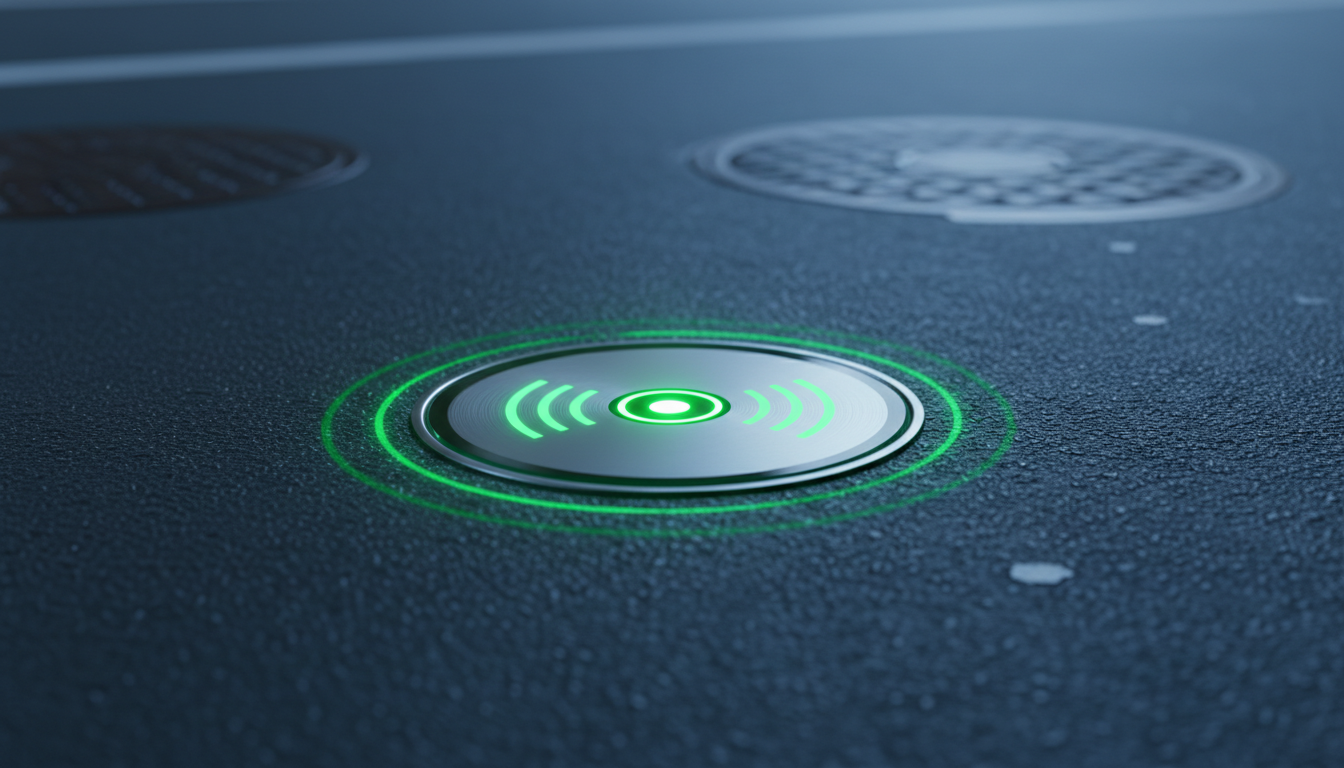
San Francisco launched one of the first comprehensive smart parking systems in 2010, using sensors to detect real-time space availability. Los Angeles installed solar-powered meters accepting credit cards. Mobile apps emerged, allowing drivers to find, pay for, and extend parking from their phones. License Plate Recognition (LPR) technology began replacing physical tickets for enforcement.
Smart Parking Arrives
San Francisco launched one of the first comprehensive smart parking systems in 2010, using sensors to detect real-time space availability. Los Angeles installed solar-powered meters accepting credit cards. Mobile apps emerged, allowing drivers to find, pay for, and extend parking from their phones. License Plate Recognition (LPR) technology began replacing physical tickets for enforcement.
The IoT Revolution
The Internet of Things transformed parking management. Wireless sensor networks provided real-time occupancy data across entire cities. Contactless payments via Apple Pay and Google Wallet became standard. Multi-space meters with cloud connectivity enabled remote management and dynamic pricing that adjusted rates based on demand - higher prices in busy areas, lower in underutilized zones.

The IoT Revolution
The Internet of Things transformed parking management. Wireless sensor networks provided real-time occupancy data across entire cities. Contactless payments via Apple Pay and Google Wallet became standard. Multi-space meters with cloud connectivity enabled remote management and dynamic pricing that adjusted rates based on demand - higher prices in busy areas, lower in underutilized zones.
AI Intelligence
Machine learning transforms parking
AI-Powered Intelligence
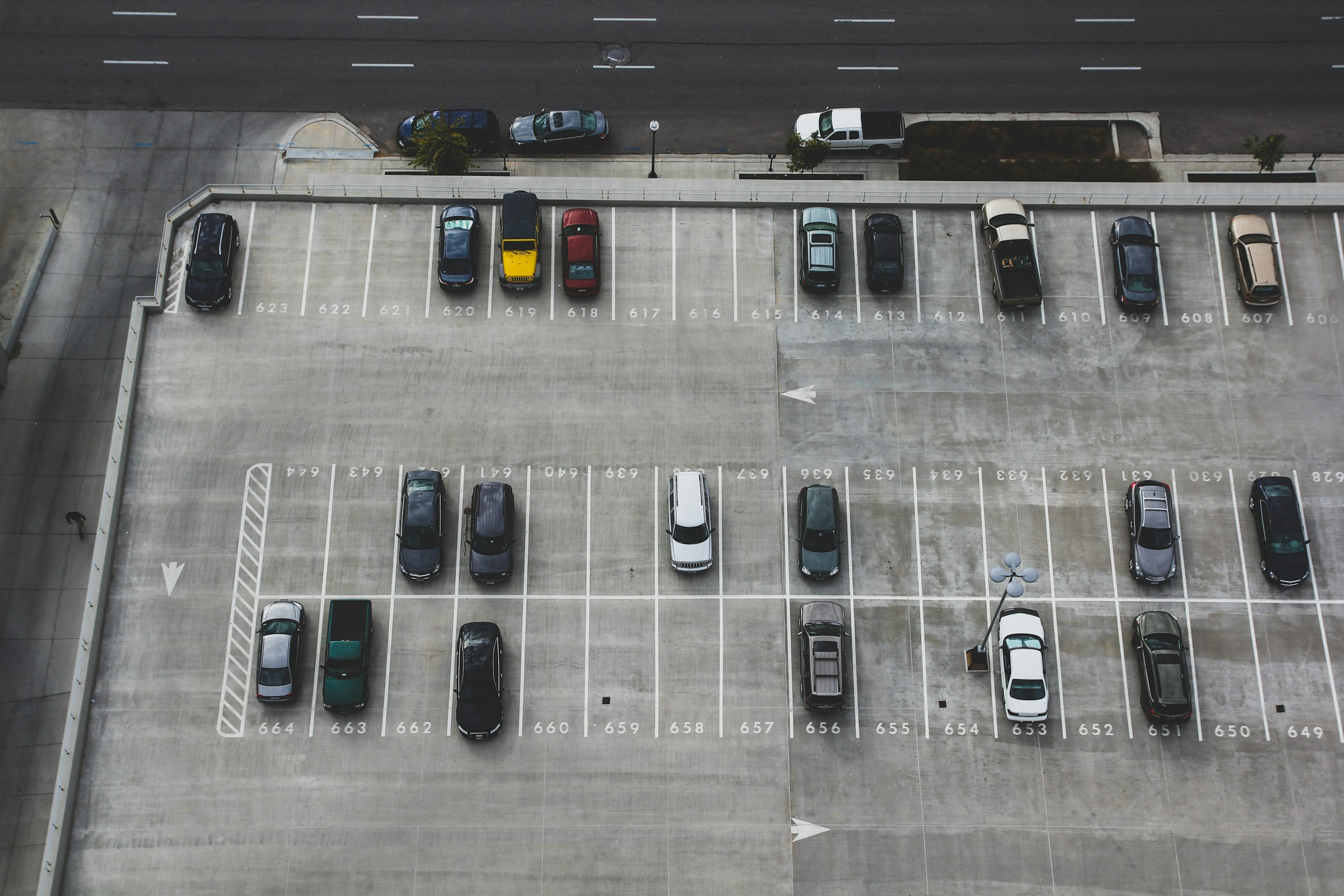
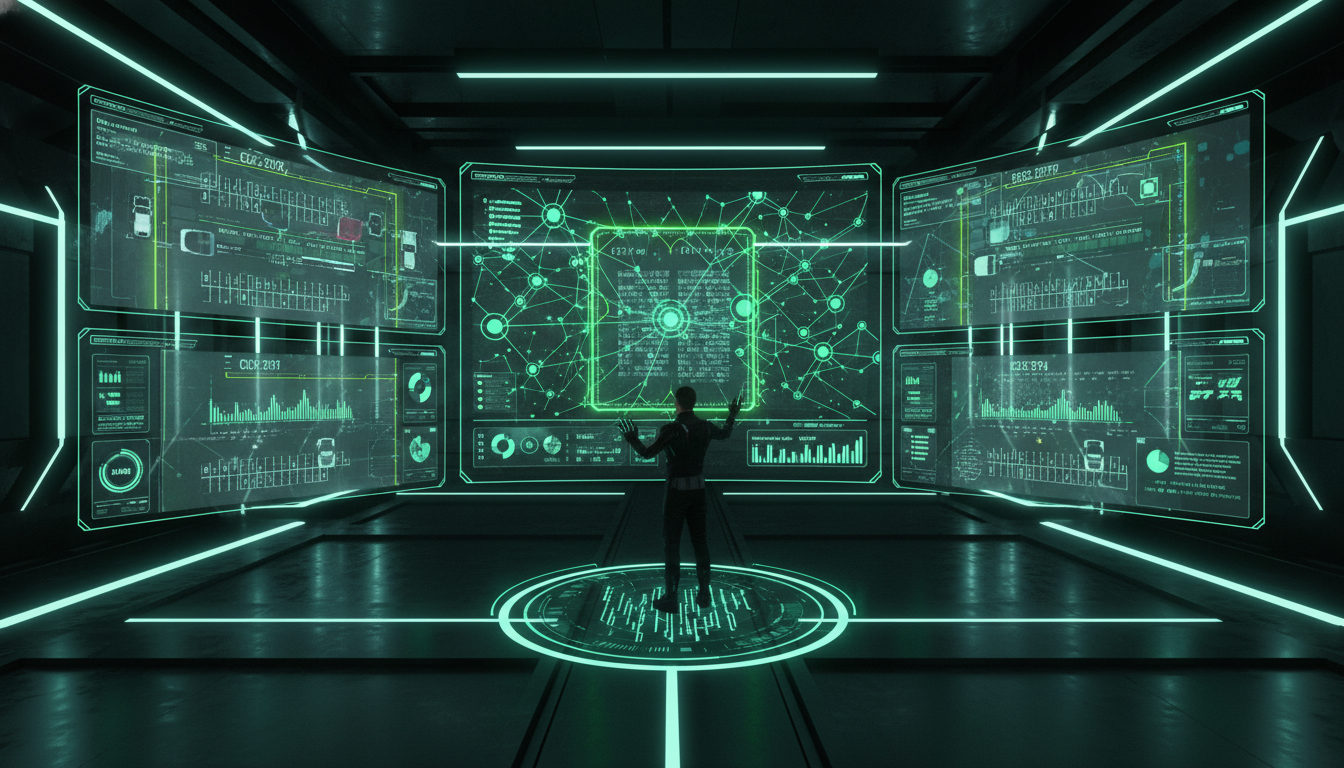
Today's parking systems leverage artificial intelligence and machine learning to predict availability, optimize traffic flow, and guide drivers to open spaces. Computer vision analyzes camera feeds to detect occupancy without ground sensors. Fully integrated platforms connect parking with navigation apps, payment systems, and city infrastructure. From a nickel in a mechanical slot to AI-driven ecosystems - the evolution continues.
AI-Powered Intelligence
Today's parking systems leverage artificial intelligence and machine learning to predict availability, optimize traffic flow, and guide drivers to open spaces. Computer vision analyzes camera feeds to detect occupancy without ground sensors. Fully integrated platforms connect parking with navigation apps, payment systems, and city infrastructure. From a nickel in a mechanical slot to AI-driven ecosystems - the evolution continues.
See Our Platform
The Patents That Changed Parking
From Roger Babson's impractical 1928 design that required connecting to your car's battery, to Carl Magee's revolutionary Park-O-Meter patent in 1938, these innovations transformed how cities managed curbside space. Each patent represented a step forward in the century-long journey toward intelligent parking systems.
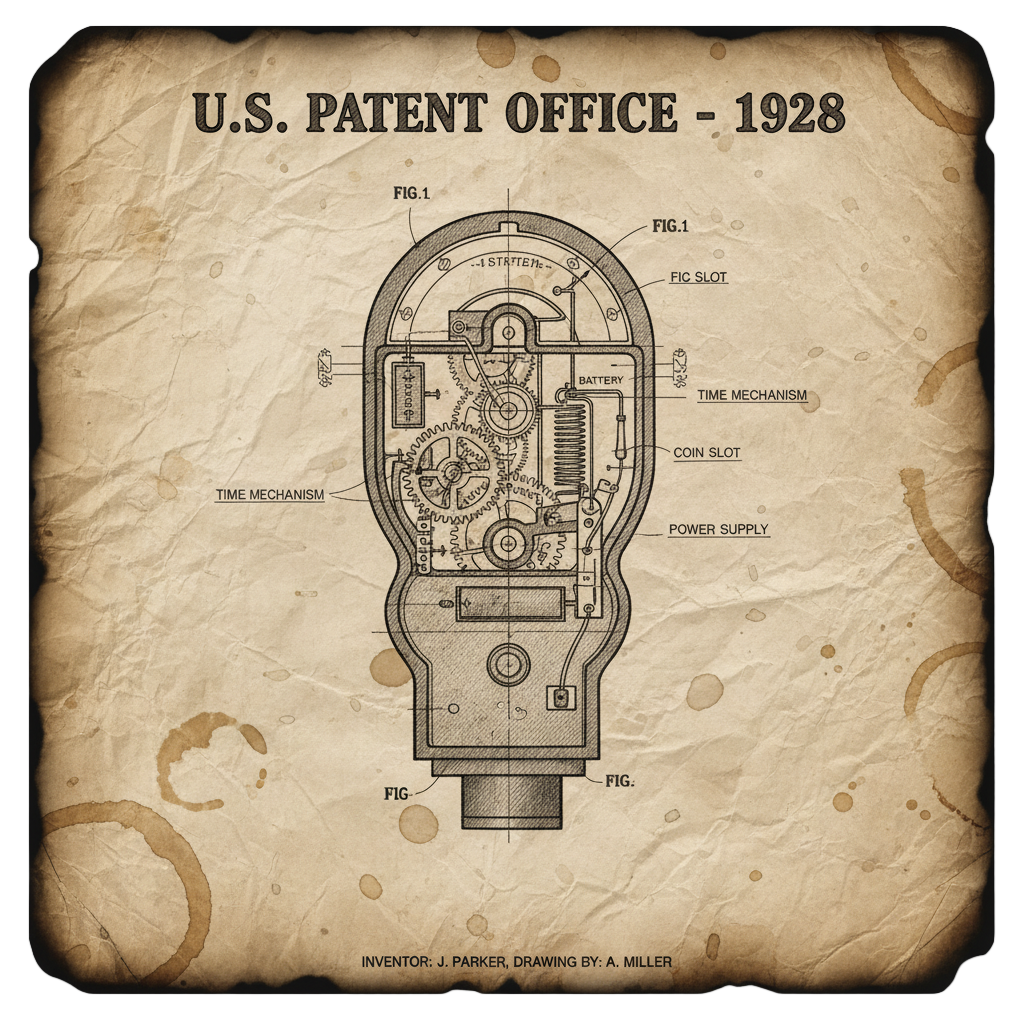
Battery-Powered Meter
Required connection to vehicle battery
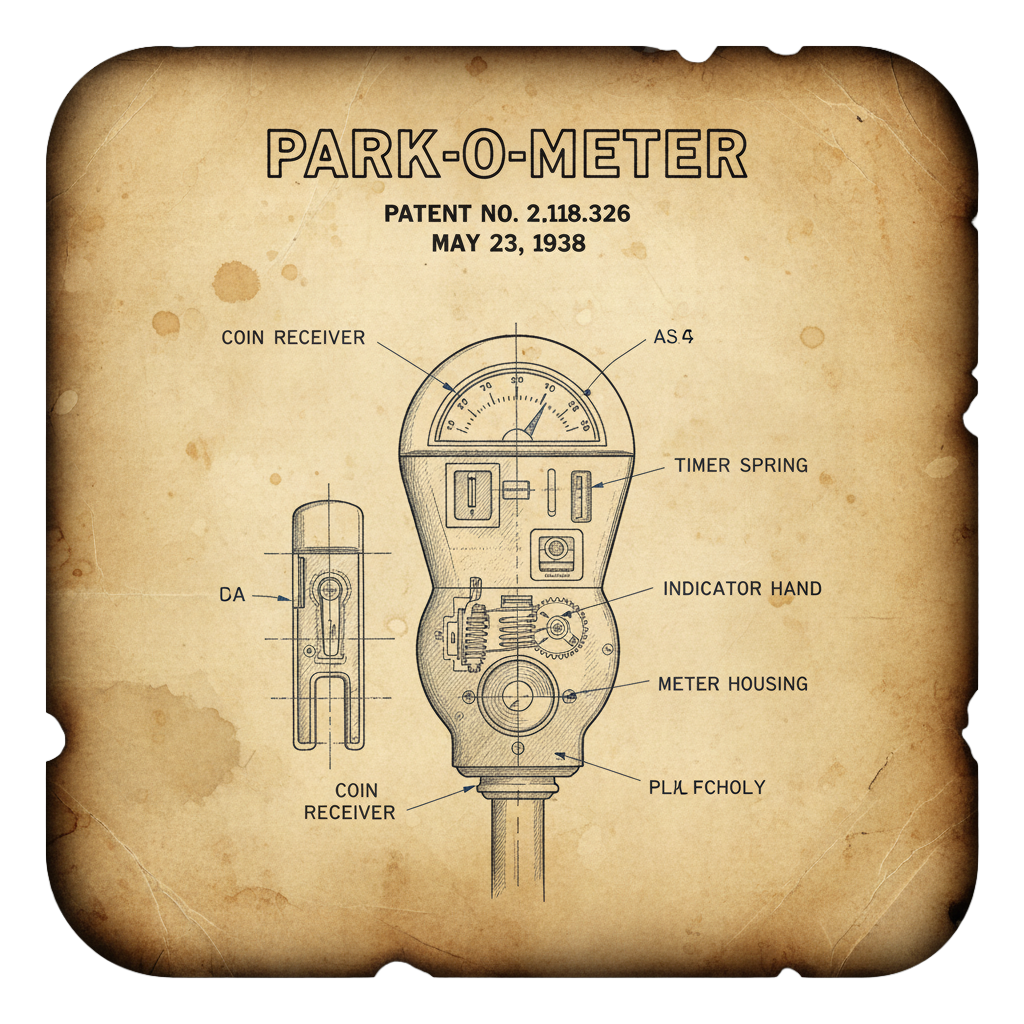
Park-O-Meter
The coin-operated parking meter
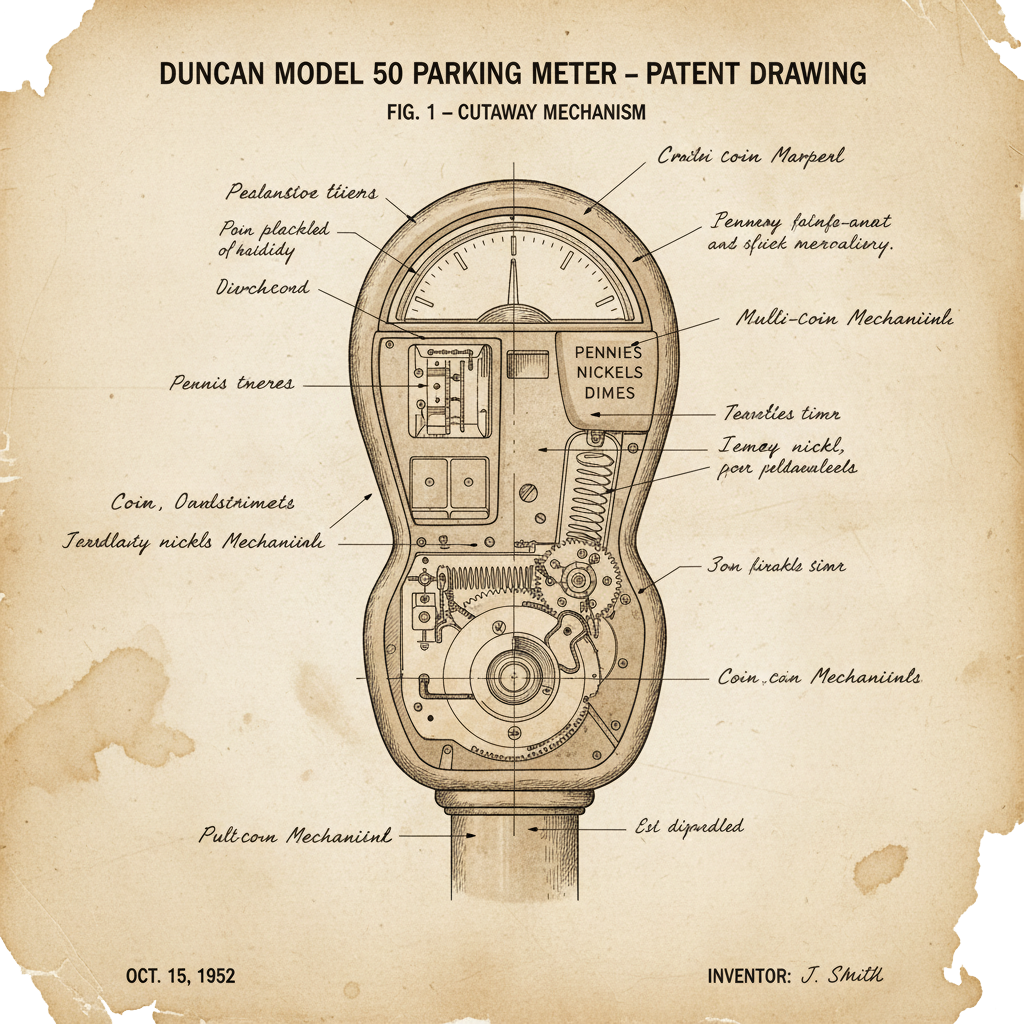
Multi-Coin Meter
Accept pennies, nickels, and dimes